
Article 47: The Fall Nymph Game
Greetings from the Canyon!
The calendar has turned a page into September. With the early fall weather, comes a change in the fishing. The Trico hatch and spinner fall is starting to dwindle. We are 2-3 weeks and 5-6 degrees of water temperature from the huge fall Baetis hatch that lights up the dry fly fishing on the Mo.
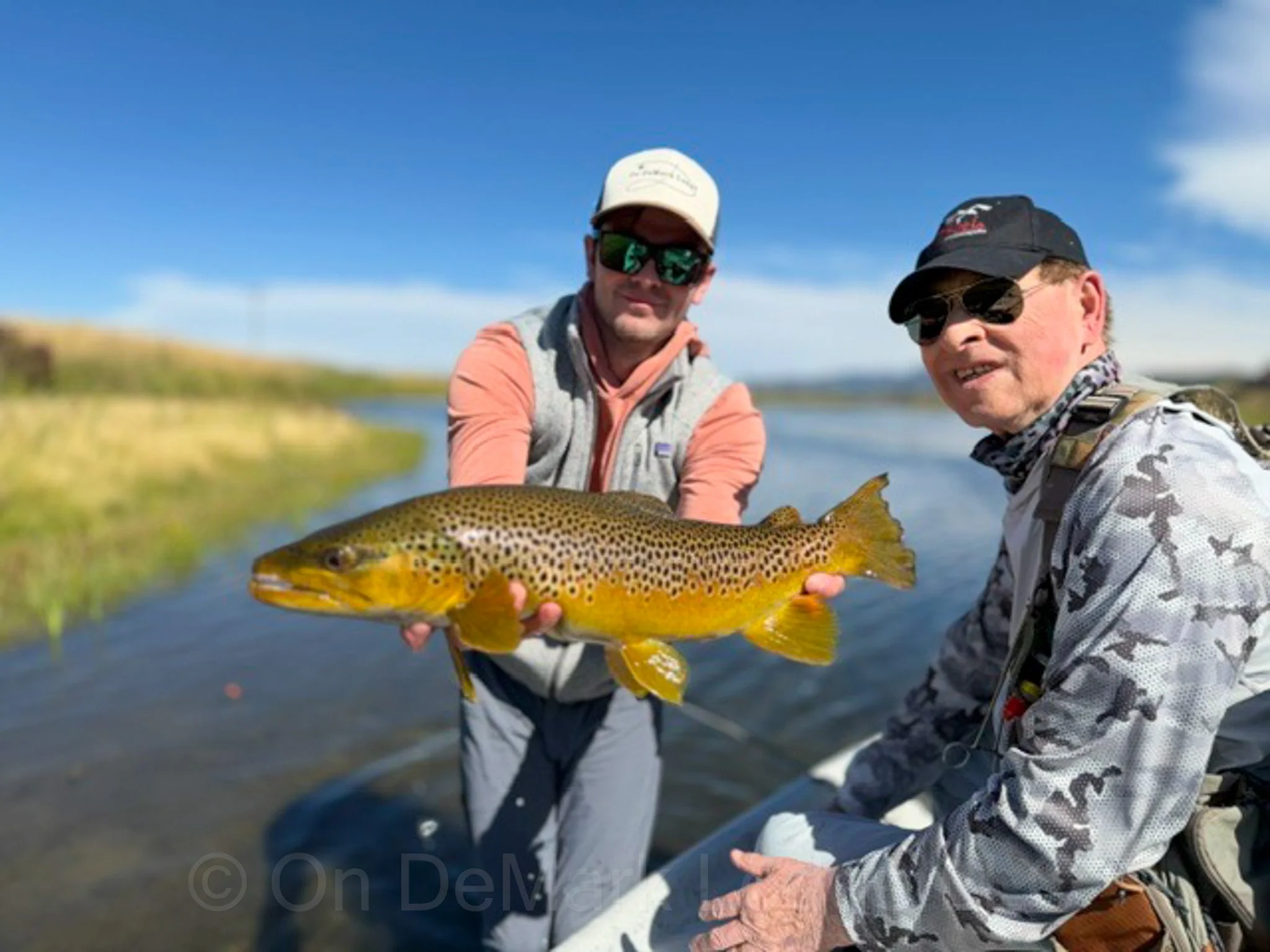
While we have some Pseudo mayflies and terrestrial action to satisfy those dryfly urges, the big early fall draw is the nymph fishing. It is one of, if not the best time of year to catch a bunch of really nice sized fish on indicator rigs. The town of Craig Montana wakes up from its late summer nap as the nymphers looking to pad the stats show up. It’s not the early summer numbers of anglers, but there’s a noticeable surge of diehards. Who wouldn’t want to bend the rod all day on big rainbow trout and the occasional brown trout that look prehistoric.
The early fall nymphing is a little more technical than what we see in the spring and early summer. Flows are a little lower. There’s some summer weeds left in the river. The trout are a little more weary of a little drag on the bugs. You have to step up your game. This is why I’m giving you some pointers before you get in the boat. These apply to any indicator fishing all season long, but are imperative for this time of year.
Fish in the Future, not in the Past
For some reason, anglers decide to fish directly out the side of the boat. Casting straight out, then making a big looping upstream mend. The person in the front of the boat decides they have the water from the oar line to the bow line. The back has from the oar line back.
This is all completely wrong. Stay ahead of the game. Always be fishing downstream. This is where I always tell my anglers to fish in the future, not in the past. There are many reasons why you should be doing this. Number one is drag. When you fish straight out the side of the boat, you are already fighting the currents. The person in the front of the boat may get a decent drift with a lot of mending, but the rear angler has a very small chance of a fish ever eating their fly. No matter how much they attempt to mend they are always dragging a little. When you start out with your cast downstream, your fly line is already above the leader and fly. Your mend is already made. Now you can maintain that with continuous smaller mends. Abandon the idea of oar line dividing the front and rear anglers. The line should be the bow of the boat. The front angler should always be ahead of that line.
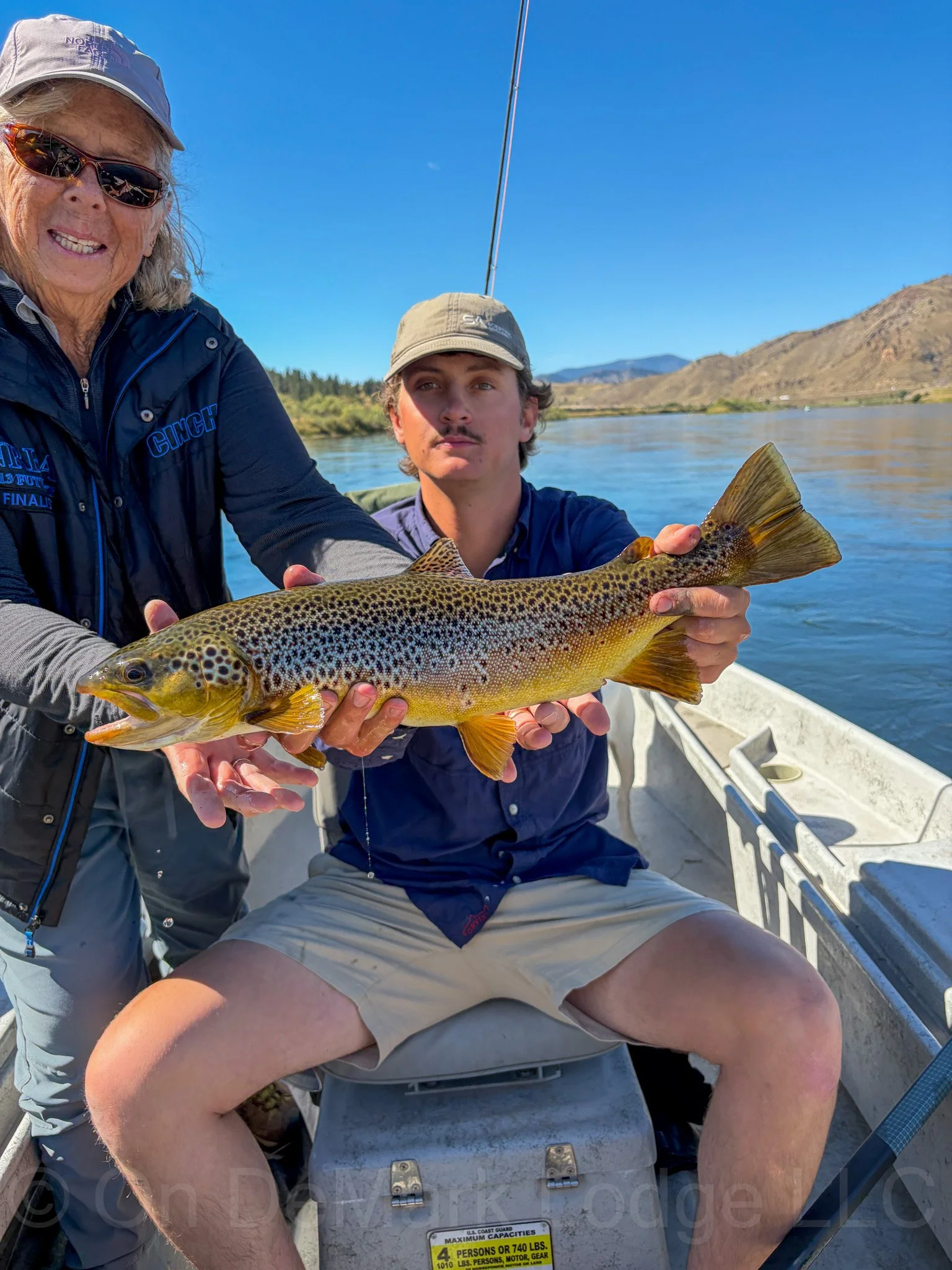
Going with the same theme, you should always be facing forward. Eyes downstream watching what water and structure you want to hit next. Facing forward and keeping your eyes downstream forces you to cast forward instead of the side. Staying ahead gives you a chance to have your fly greet the fish before the boat spooks them as well. If you are in the back of the boat you should never spin around to the stern of the boat. Nothing good waits for you back there. There’s plugs you could kick out and sink the boat. There’s an anchor that likes to catch your line and fly. Only look backward if something is chasing us such as a bear or rattlesnake.
Standing vs Sitting
The great guide debate. Some guides want you to sit while nymphing, some don’t care if you stand. The theory is based on spooking fish. When you sit, you have a lower profile and can get closer to the fish.This is especially true when the fish are in shallow water and have a better angle to see you. So if you sit, you have a better chance of hooking those fish without spooking them. My opinion is that if you can cast a decent distance while sitting, do that. If you can only get it out 15-20 feet while sitting, but double that distance when standing, then it makes sense to stand. I have experimented with it. I’ve stopped in an area with lots of visible fish. While sitting and fishing, the fish would comfortably move within 10-15 feet of the boat. When I stood up, they would move out to the 20-30 foot range. You have to remember that trout see very well. Their lives literally depend on vision.
Don’t be afraid of a little slack
You have to have some slack in the line to nymph effectively. Whether it’s shaking a few coils out on the water to extend that drift a little longer or having some loose line below the rod to feed line as the boat and water speed differ. Slack is not a bad thing. I would much rather have to worry about stripping a bunch of slack to set a hook. Tight lines cause drag and never give you a chance to set the hook because nothing will eat it.
Stop casting so much
Indicator casting and fly casting are 2 different things. Indicator casting is more of a straight arm lob keeping everything tight and in a straight line. The more you cast or false cast, the greater the risk of tangling. All of us guides love to stop and untangle messes, but we like to fish a little more. Keep that line in the water. Limit false casts to only increasing the line distance. Take advantage of being in the boat and use the water load on the back cast. Stay in the water and feeding zone as long as possible. Nymphing is playing the odds that your rig winds up in front of a fish with no drag. The longer it’s in the water and drag free, the success rate increases accordingly. There aren’t fish in the air and you don’t get style points for false casting.
Set on everything
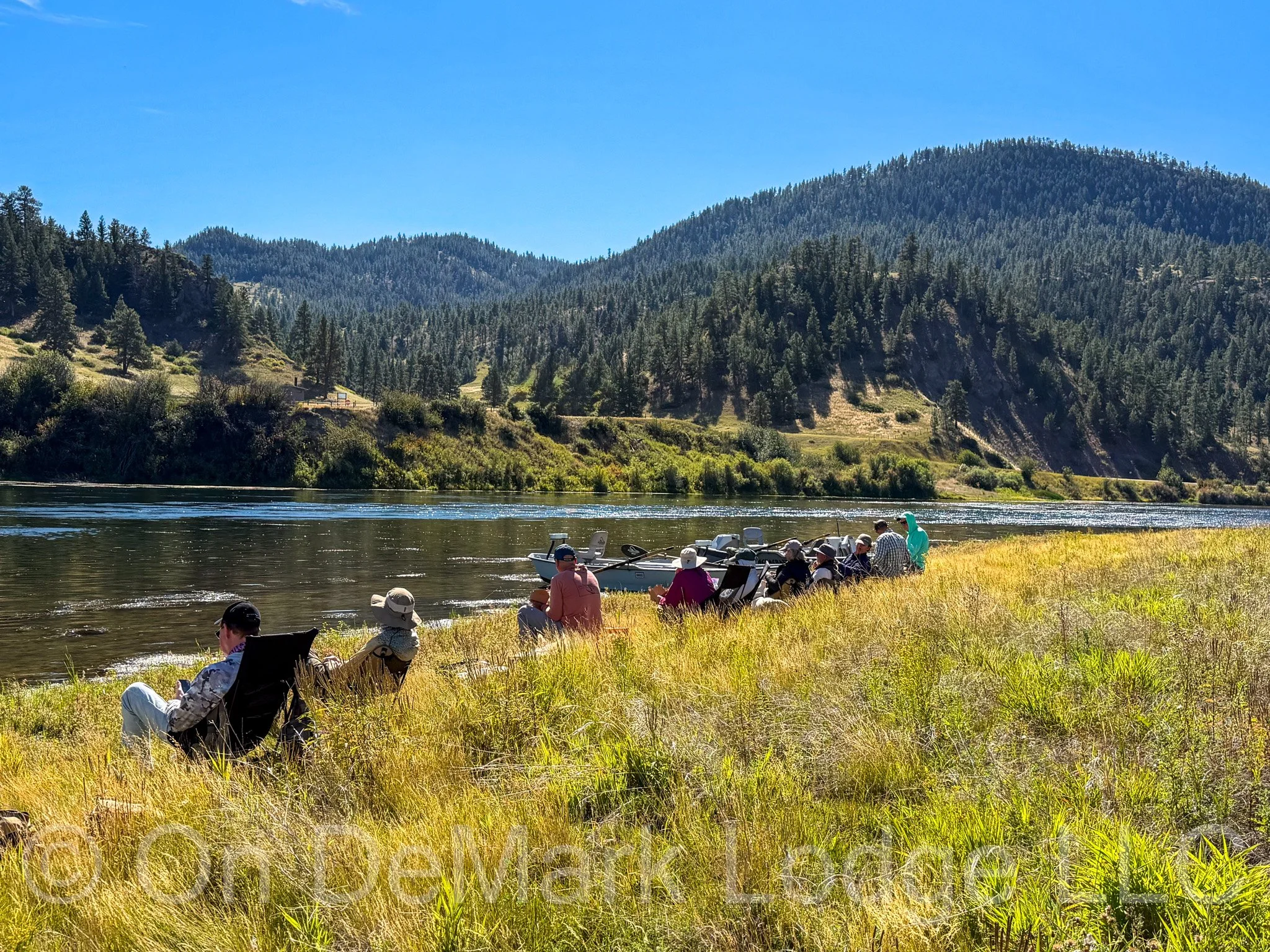
Many of the takes on nymphs this time of year are very subtle. Just a slight drop in the water or a small bob up and down. Every unnatural movement of the indicator should be your cue to set the hook. Set quickly and firmly. Don’t give the little test drag. You won’t hook anything that way and you’ll wind up with weeds to shed anyway. You don’t have to set it like a tournament bass fisherman, but set it like you mean it. Basically getting the slack out to tighten your line. It may be a weed or the bottom, but the majority of the time it’s a fish.
Keep stripping
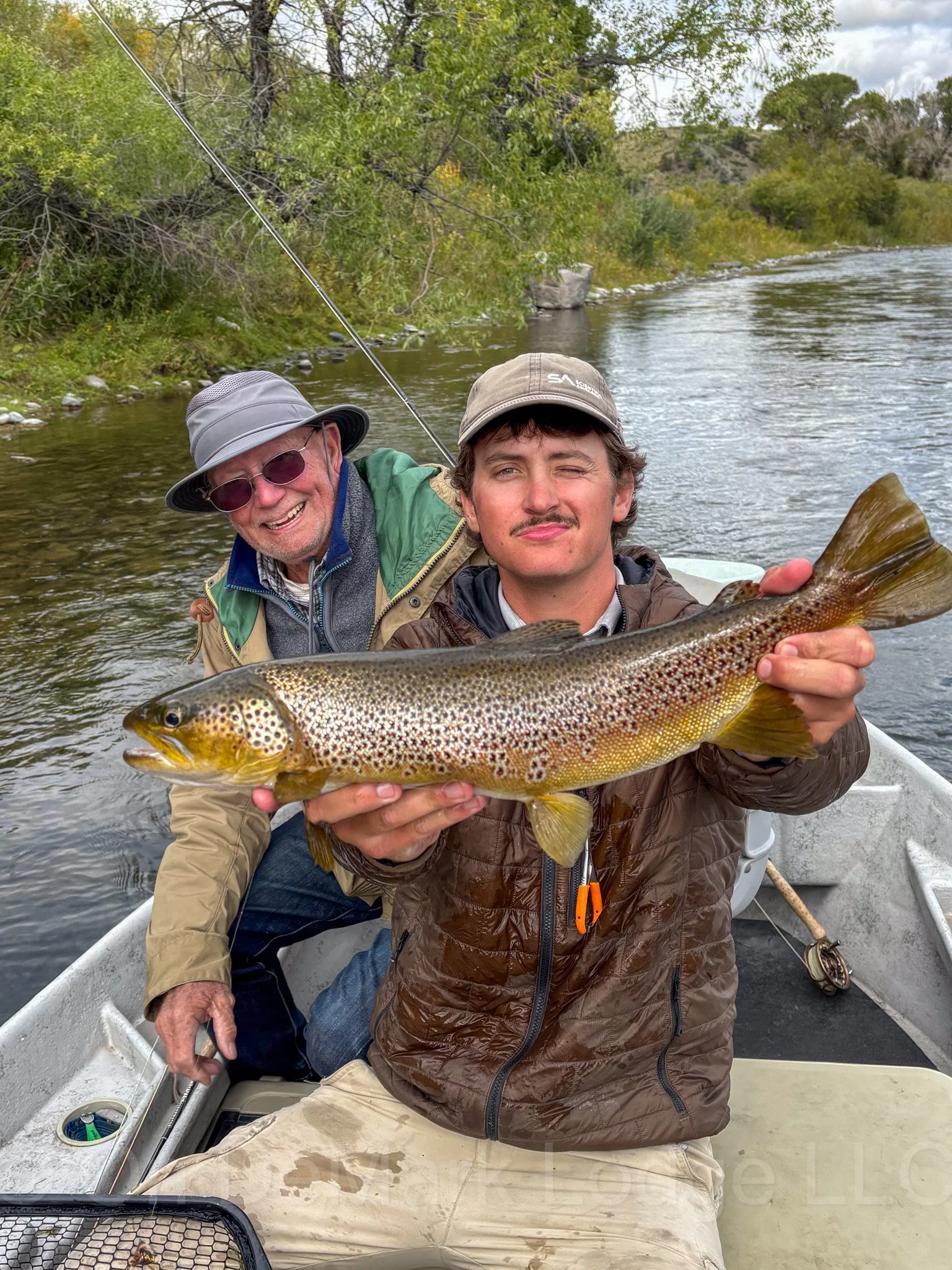
Now that you’ve hooked the fish, how are you going to get it to the net? My rule on fighting fish has to do with the reel. If the fish takes you to the reel, use the reel. Otherwise keep stripping. The majority of fish I see lost are because of slack. Many of those times are when anglers are trying to reel up their slack to fight the fish on the reel. They are reeling and the fish starts swimming towards the boat or the rod is flopping around throwing slack because of the reeling action. Strip in that slack and get tight to the fish. If you feel a surge release tension and let the fish run. Otherwise it’s going to break you off. These are big, strong, wild fish. If it runs all the way to the reel, fight it on the reel. If not, continue stripping it in.Let them tire a little. Lift the rod high and get the head on top of the water. Then we slide the net under. Easy as that. (Not really but that’s why we love it!)
Lately…
The nymphing has been good and getting better. Still some fish up on pseudos and caddis. Streamer fishing is excellent on cloudy days and okay on sunny days. We’ve gotten a good number of browns in the 2 foot range nymphing in the last few weeks and they seem to be showing up more and more as we get closer to the spawn in early November.
Wildlife sightings have included a couple of black bears in the last week. A large herd of big horn sheep in the canyon. Eagles and Ospreys feeding heavily. Lots of deer and elk around. A rattlesnake tried to swim up my oar a few days ago. Not a big fan of that…All the animals are feeling chill in the air as winter approaches.
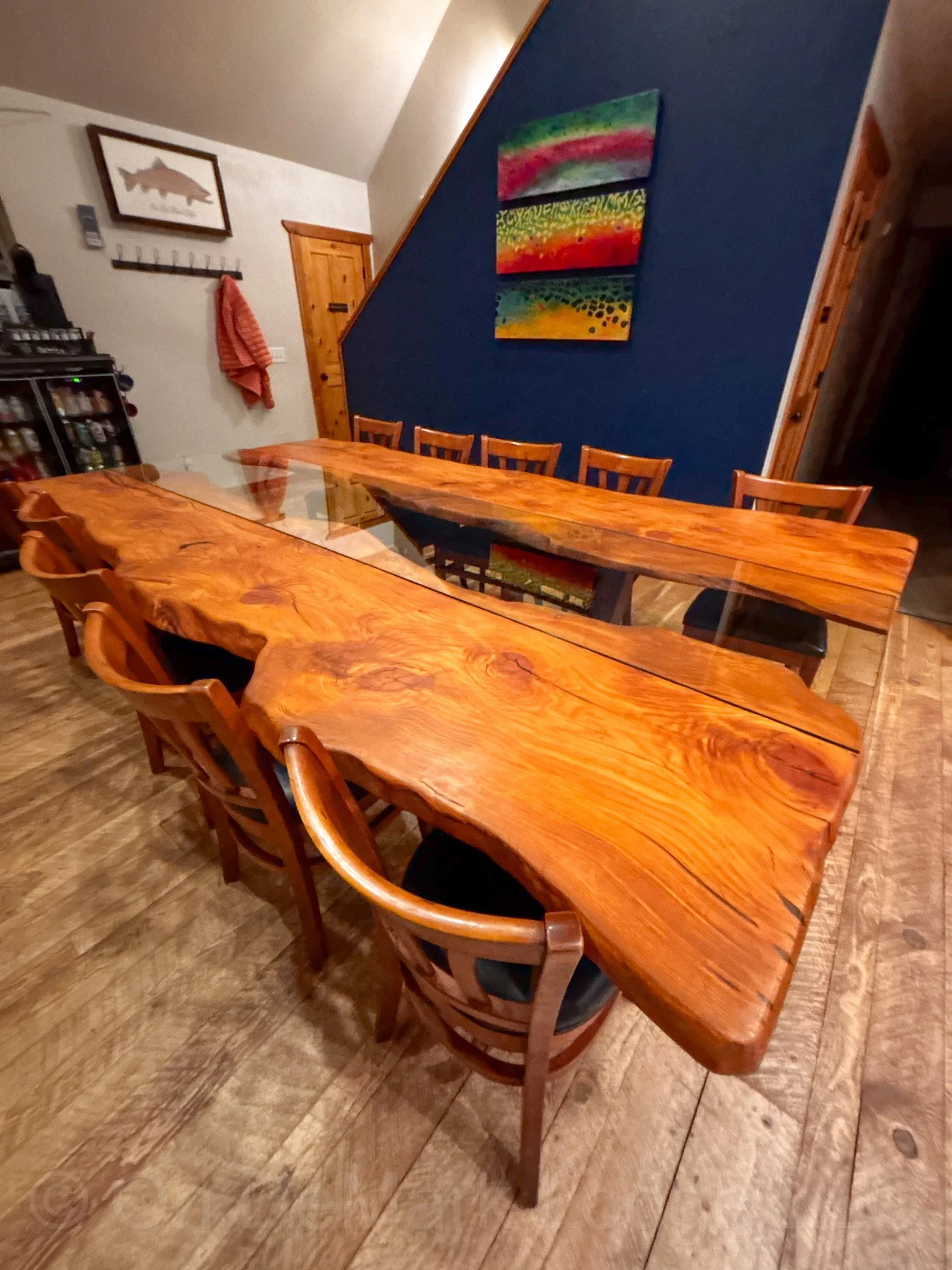
Photos included show our new addition to the lodge. A gorgeous table custom made from a douglas fir trunk. We rehomed it and it fits perfectly.
We have some last minute availability if you want to still fish this month. Also available dates in October if you are looking for that late fall fantastic dry fly and streamer fishing. If you are considering dates next season or looking to rebook, you may want to get those locked in soon. Next April, May, and June are filling fast.
Cheers till next time!