
2025 Year in Review
Greetings from the Florida Keys! Happy New Year! It's been about 75 degrees here for the last 2 weeks. Talk about Groundhog Day. We’ve been soaking up the sun, enjoying the pool, and spending lots of hours on the skiff. Bonefish, Snook, Redfish, and Tarpon have all been on the menu as of late. Really fun stuff. End of the year calls for a review of the 2025 season, which was our best season yet!
2025 Year in Review
We started our season in early April this year and were greeted with some balmy weather and great midge hatches. Warm weather early in the year leads to pretty exceptional midge hatches and the fish reacted accordingly. The best of the hatch was in the evenings when all the midges of the day had accumulated, and the fish could see the clusters in the back eddies. Nymphing in April was also silly. I had a day with a regular of ours where we stayed up by the dam for hours because we kept hooking a fish every time we drifted through one of my go to runs. It's hard to leave a spot when you hook a 18-20 inch rainbow every time you get your flies wet.
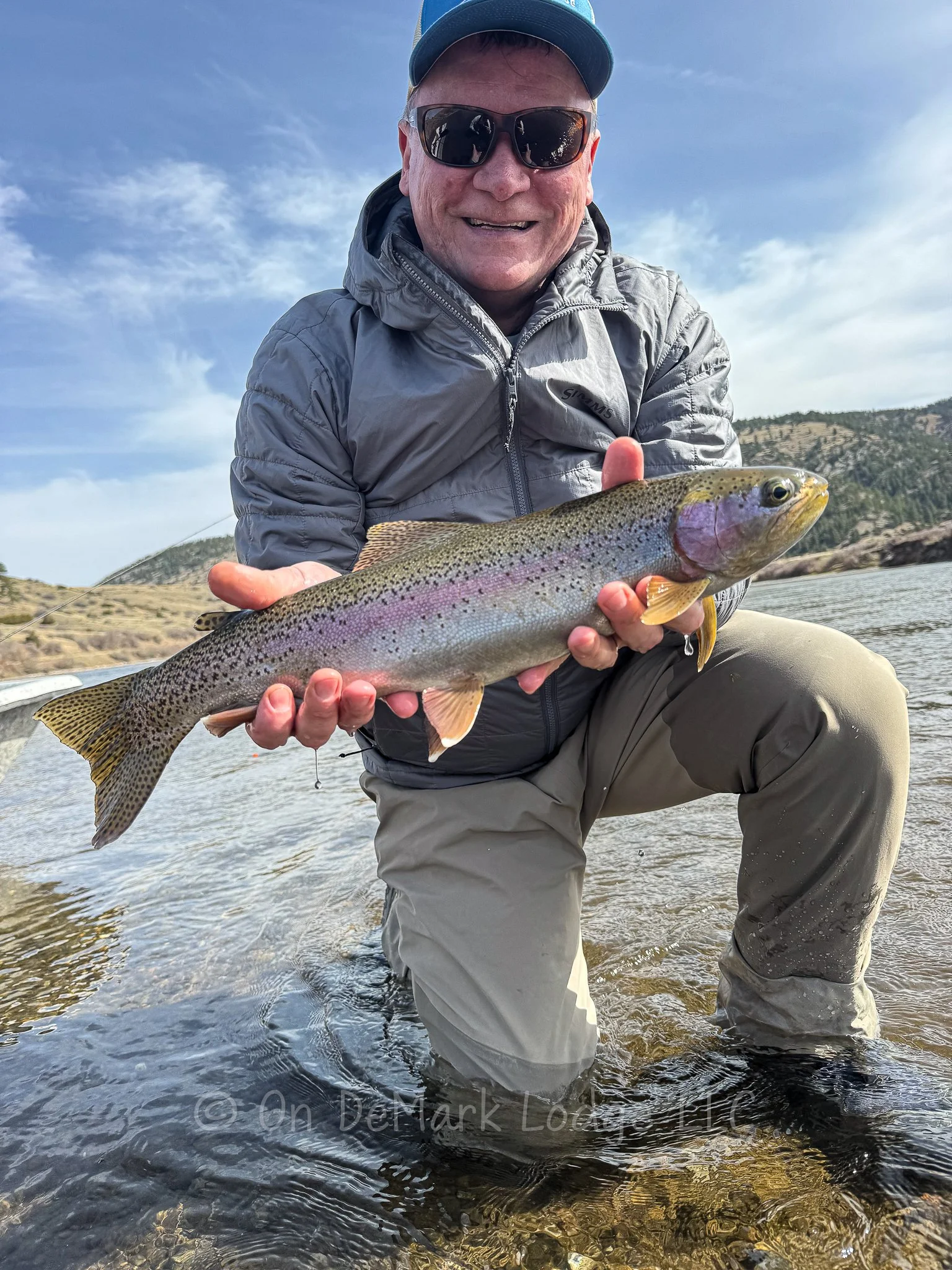
After midges in the early season, we saw Blue-Winged Olives emerge in mid April (the 16th to be precise). This was close to when they hatched last season as well, (14th the previous season). Once the BWOs hatch, the fish lose 20 IQ points. You must put yourself in their shoes: You just survived through an endless winter in a near catatonic state as water temps were in the 30s for four months. You ate scraps when they hit you in the nose, but besides that you sat hungry for what seemed like years. As you feel water temps get a little warmer, you get to eat itty bitty midges to satiate your hunger. Once that first baetis mayfly starts wiggling around in the water column, nothing else matters to your little trout brain. BWOs are your new religion. You got a tattoo of baetis on your adipose fin because they are that important to you. This is how Missouri River trout felt about this hatch this year. BWO action was great this spring, as were most of our mayfly hatches this year. We saw some serious BWO dry fly action on overcast days, and the shallow nymph game was a great way to put fish in the boat in between dry fly opportunities. This hatch dominated the river from Mid April till late May and was a great snapshot into how the mayfly hatches were going to be for the season.
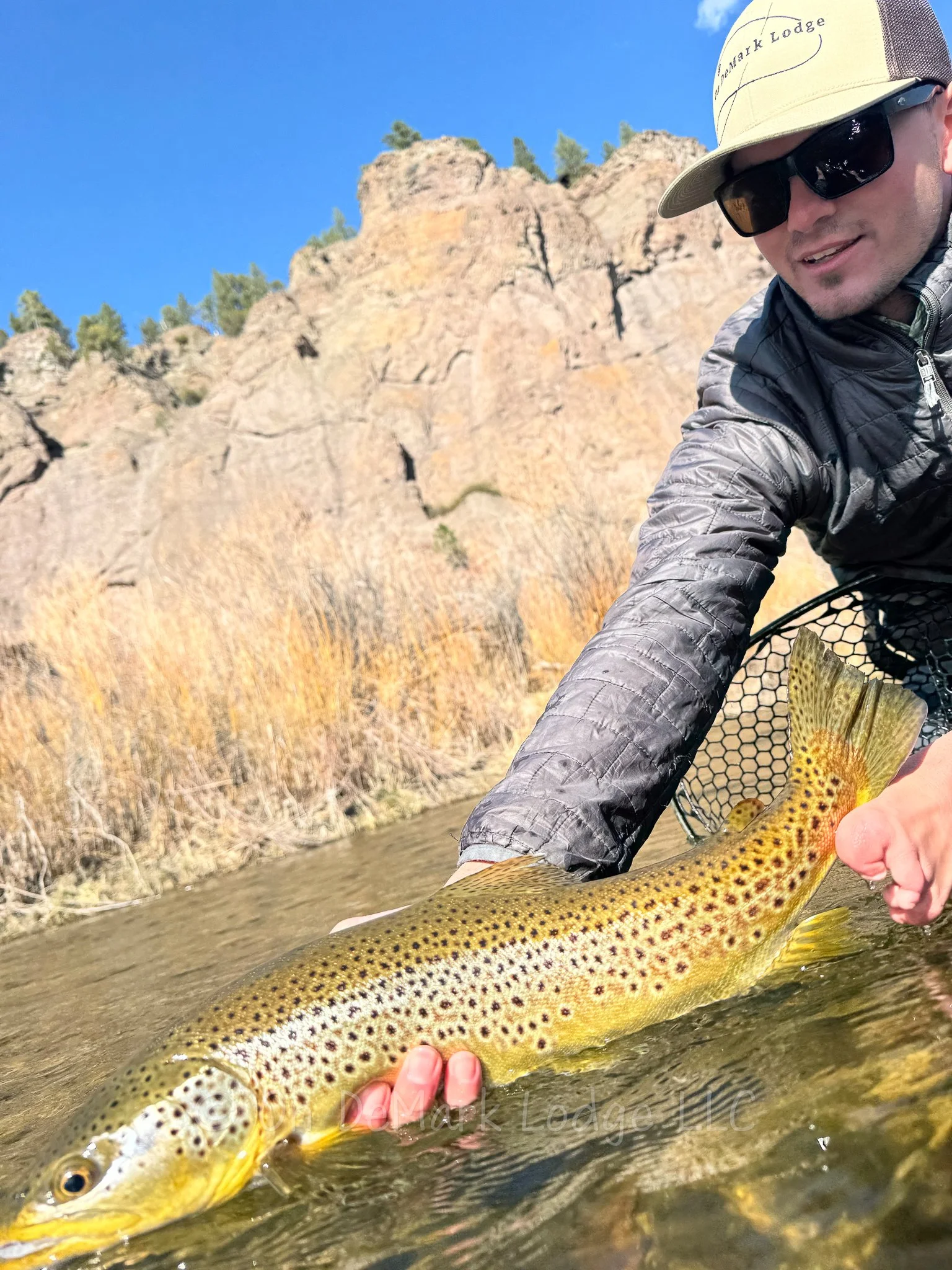
Late May we saw the emergence of PMDs. PMDs came EARLY this year. May 23rd is when I started seeing them in the Canyon in full swing. They were about a week earlier this year than last, which was to be expected. We had a lower water year than the last couple of years, so most of our hatches were a bit more premature than normal. The PMD hatch this year did not disappoint. We saw extremely consistent dry fly fishing throughout most days, high numbers on nymphs, and big fish eating in very shallow water. PMDs make dry fly fishing on the Mo’ a little easier. They’re our biggest mayfly size wise, so you get some room for error when it comes to the drift. A fish isn’t going to pass up on a bug of that size, so your micro drag at the end of your drift isn’t going to spook him off. The PMD hatch is a good time to get big fish on dries, and this year was no different. We saw some real studs hit the net on dries, and saw a lot more eat our fly and not hit the net. C’est la vie. Late May through June was all PMD action, until we were met by Tricos at the end of June.
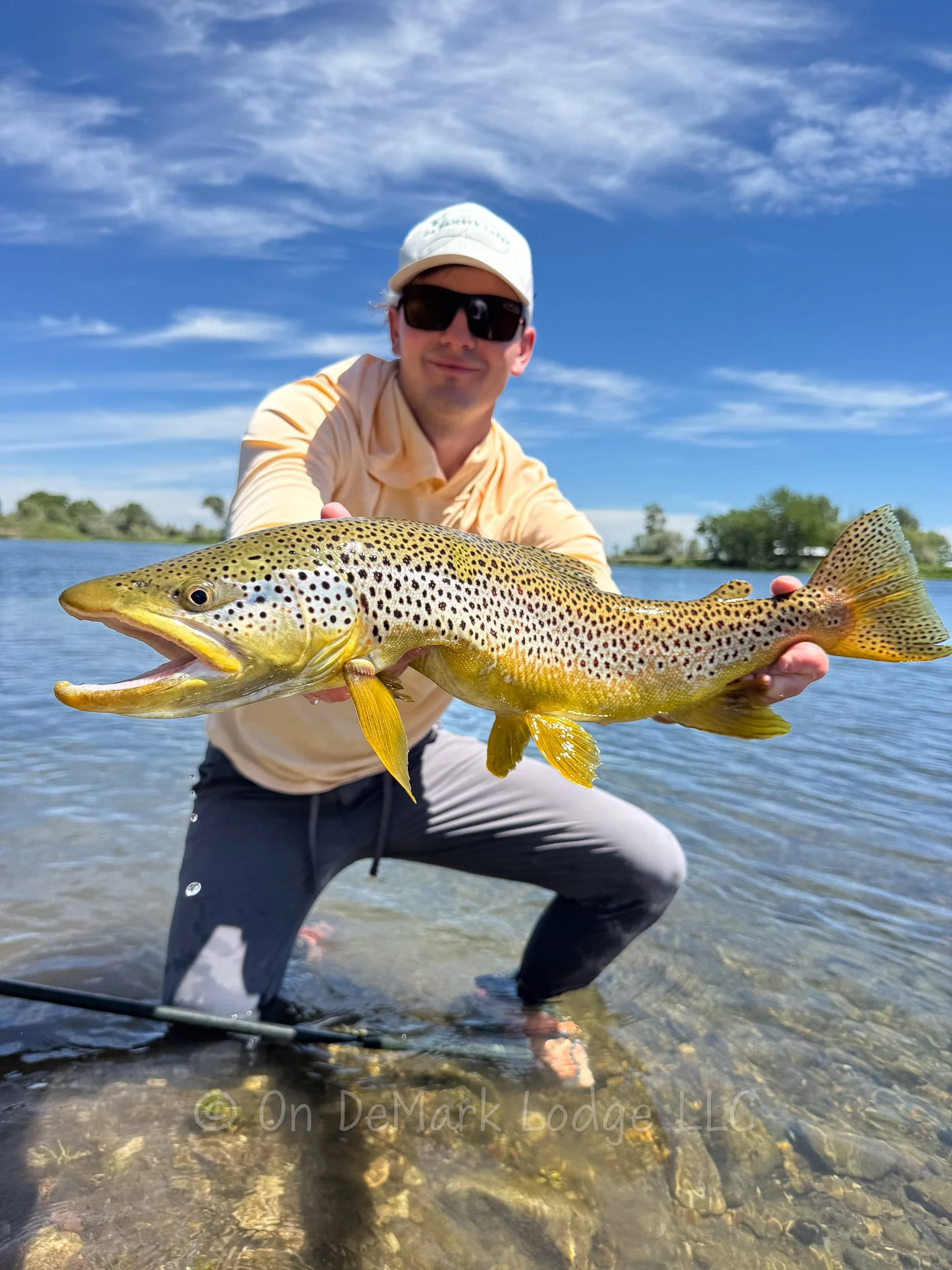
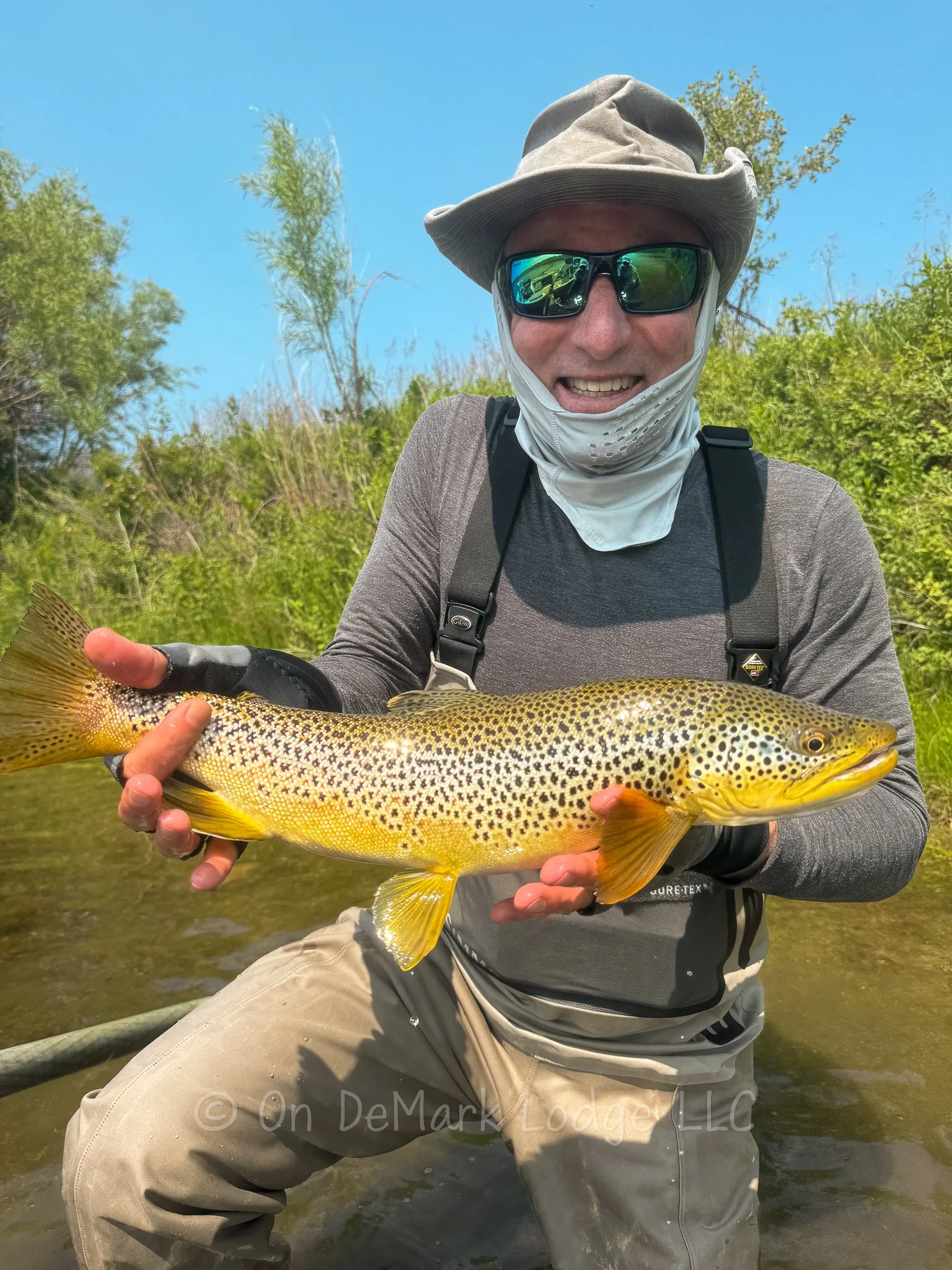
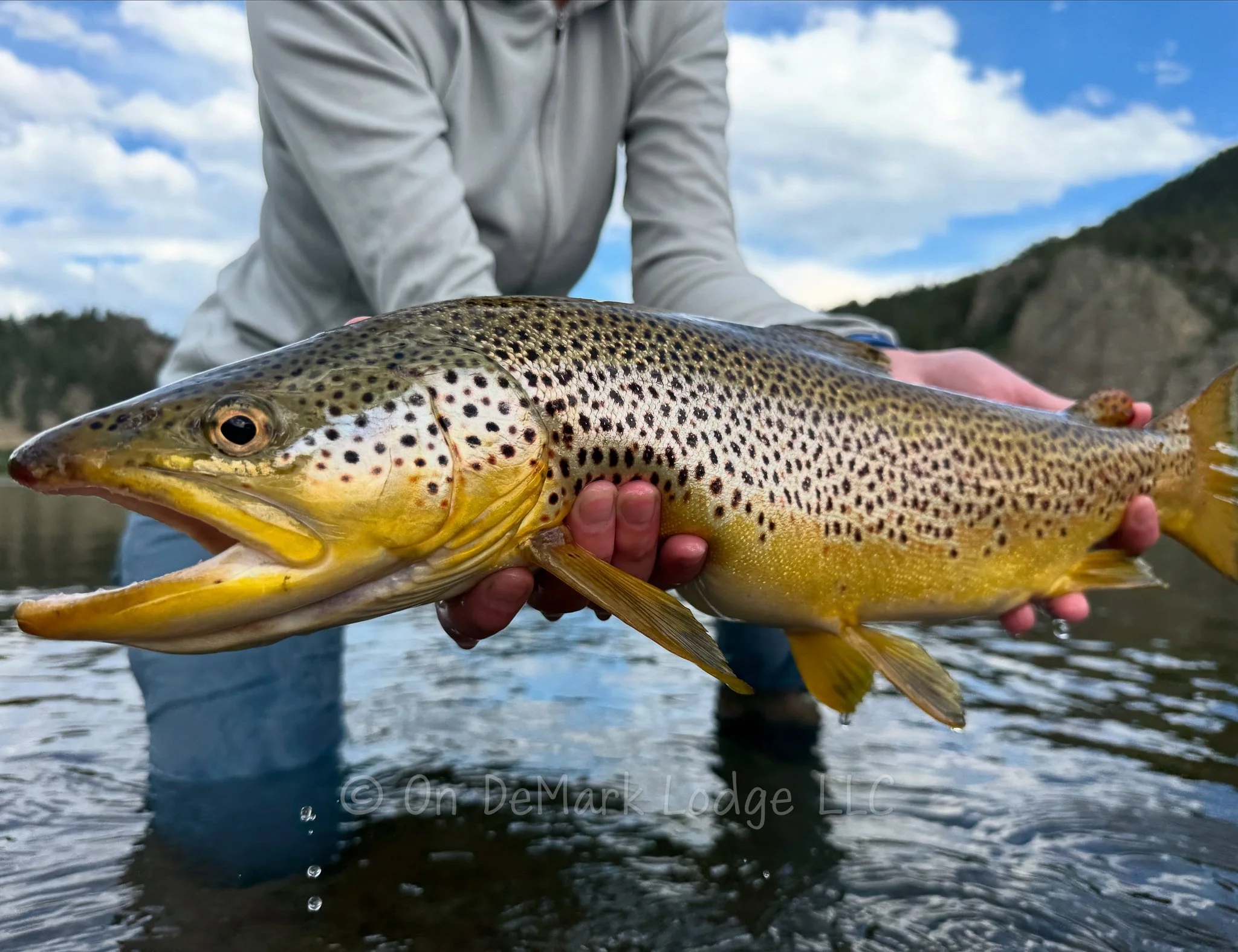
June 25th was the first sight of Tricos this year. Early, but not unexpected. Tricos were prolific this year in a major way. The crossover between Tricos and PMDs, which is late June through mid July, is dry fly heaven. Tricos bring tons of fish to the surface early, then PMD patterns mid-morning make it really easy to fool these sipping trout. This was probably the best/ most consistent dry fly period we had this season. After this it's all Tricos, no PMDs. A typical Trico day starts early. We load up the truck, hit the road, and as soon as we come down into the frontage road you see it: clouds. Clouds and clouds of bugs in the sky right as the sun comes over the mountain. The reflection on the Tricos wings makes it look like it’s snowing at the boat ramp. As we get in the boat and start our day, you look across the water. The surface is littered with endless bugs and lined up at every corner is a trout that can’t sip them off the surface fast enough.
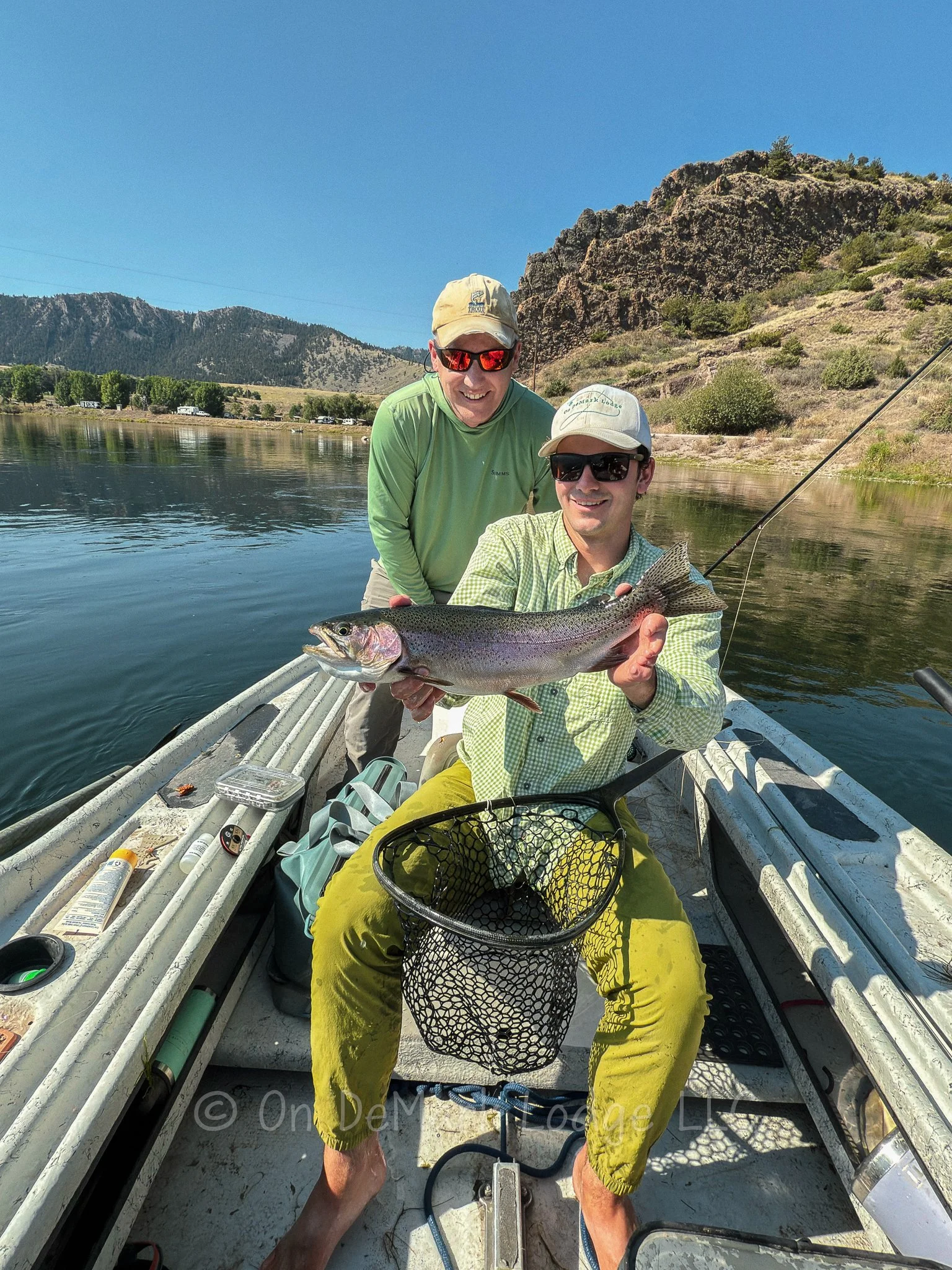
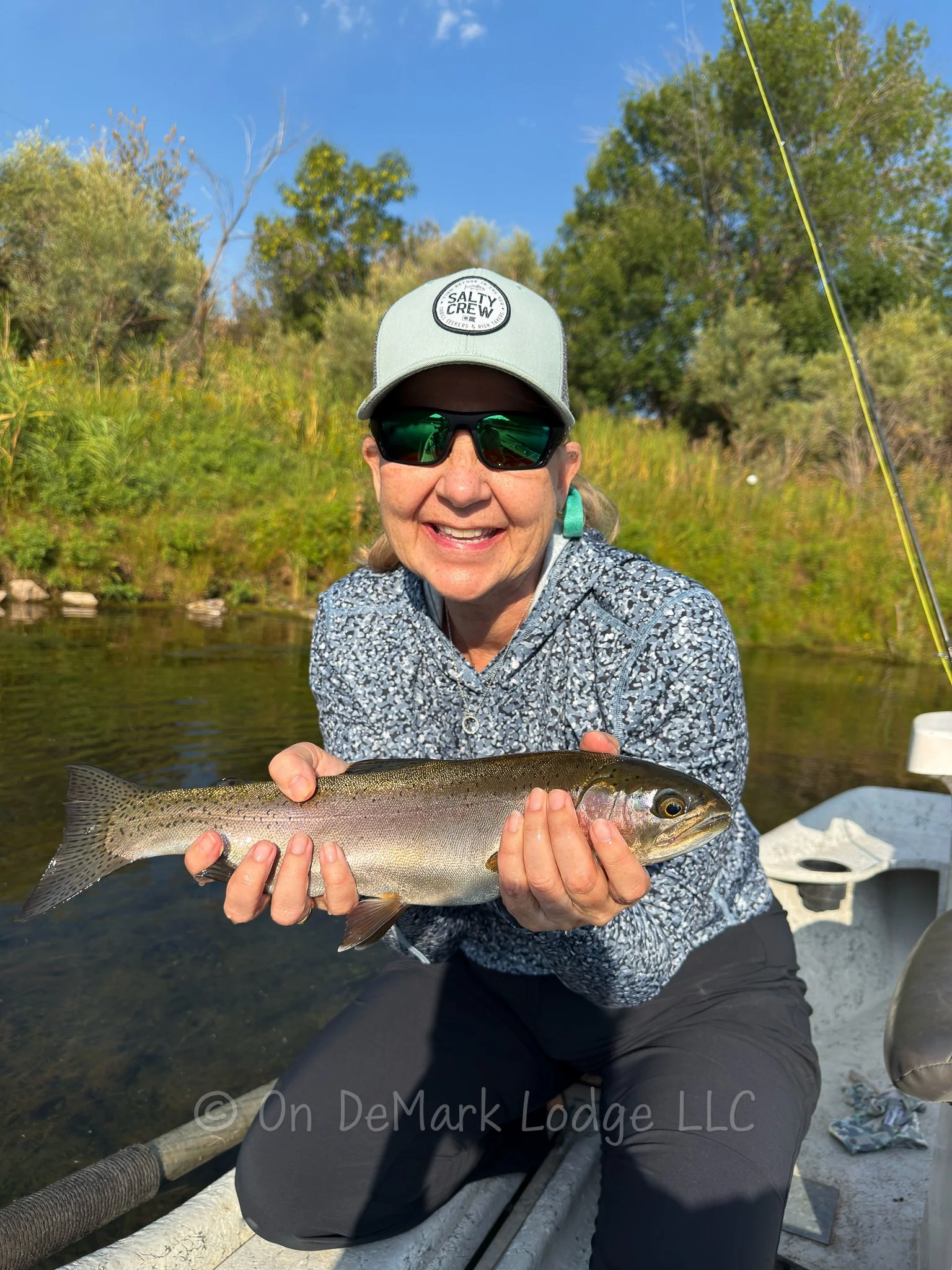
I got to guide a wonderful couple this year in late August. We sat at dinner the night before their first day of fishing and talked about plans for the next day. I mentioned throwing dries once we found pods of rising fish. She goes “Pods? There’s no such thing as a pod of trout!” We joked about the idea of a pod of trout. “Pods are for whales and dolphins; trout don’t do that.” The next day, we rounded a corner and I pointed out a giant group of trout eating Tricos in an eddy; there were probably 50 or so eating on the surface aggressively. It sounded like a group of people chewing with their mouths open. “Holy s***, that really is a pod of Trout!” Tricos this year put tons of noses on the surface from late June till early September, the subsurface action during this time was hallmarked by other food sources.
The Missouri River has really big brown trout. Of course. Fish of this caliber can’t rely purely on insects, so a bigger food source is required to produce these trophy fish. The big food source that feeds these monsters on the Mo’ is crayfish. We have lots of crayfish and they help create an incredible streamer fishery, even in the warmer months. When the water temps rise, crayfish molt more and become more active, and the big fish key in on this increase in crayfish activity. In the heat of the summer this year, when water temps peaked, we caught most of our biggest fish of the season on crayfish patterns.
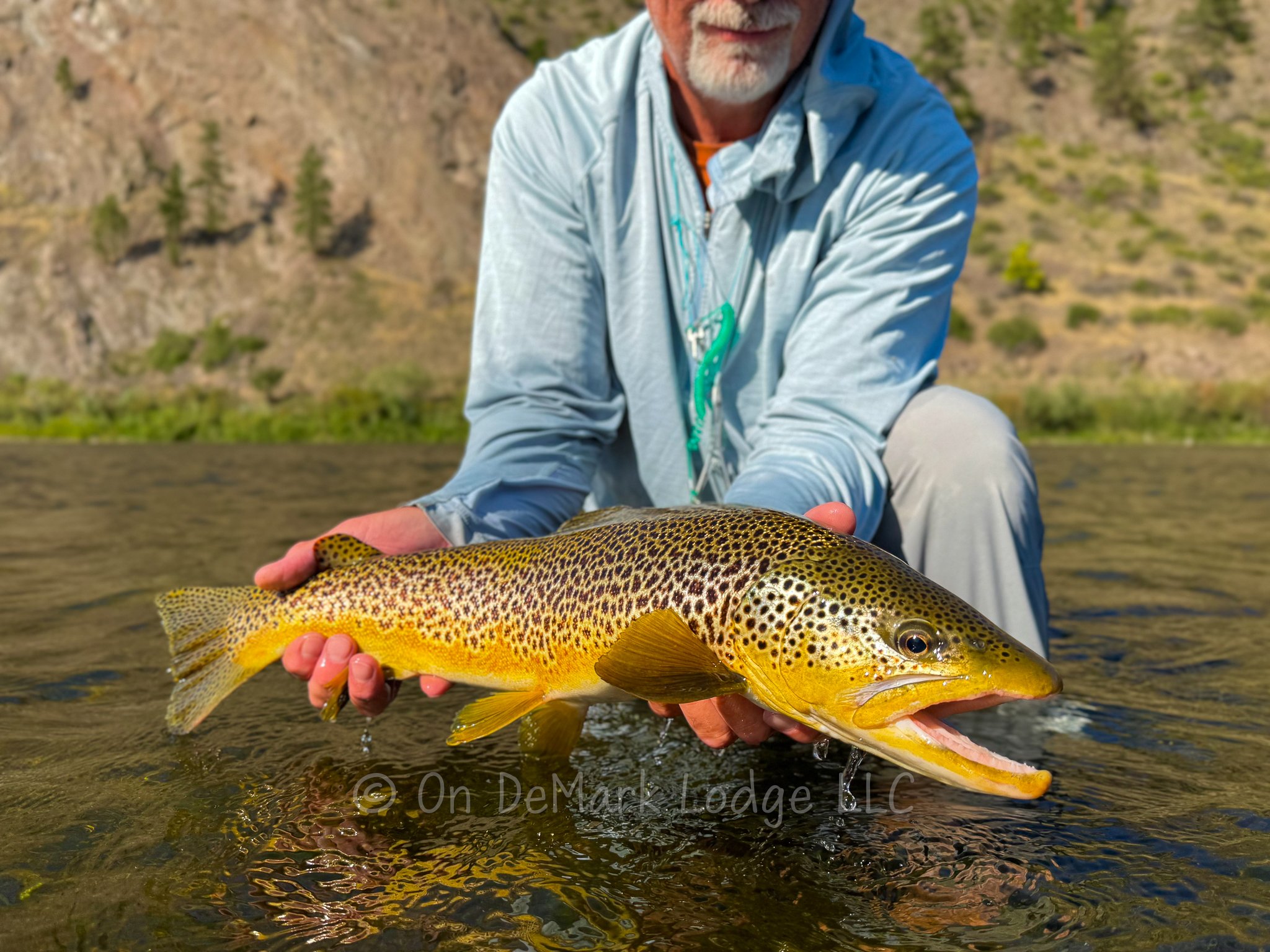
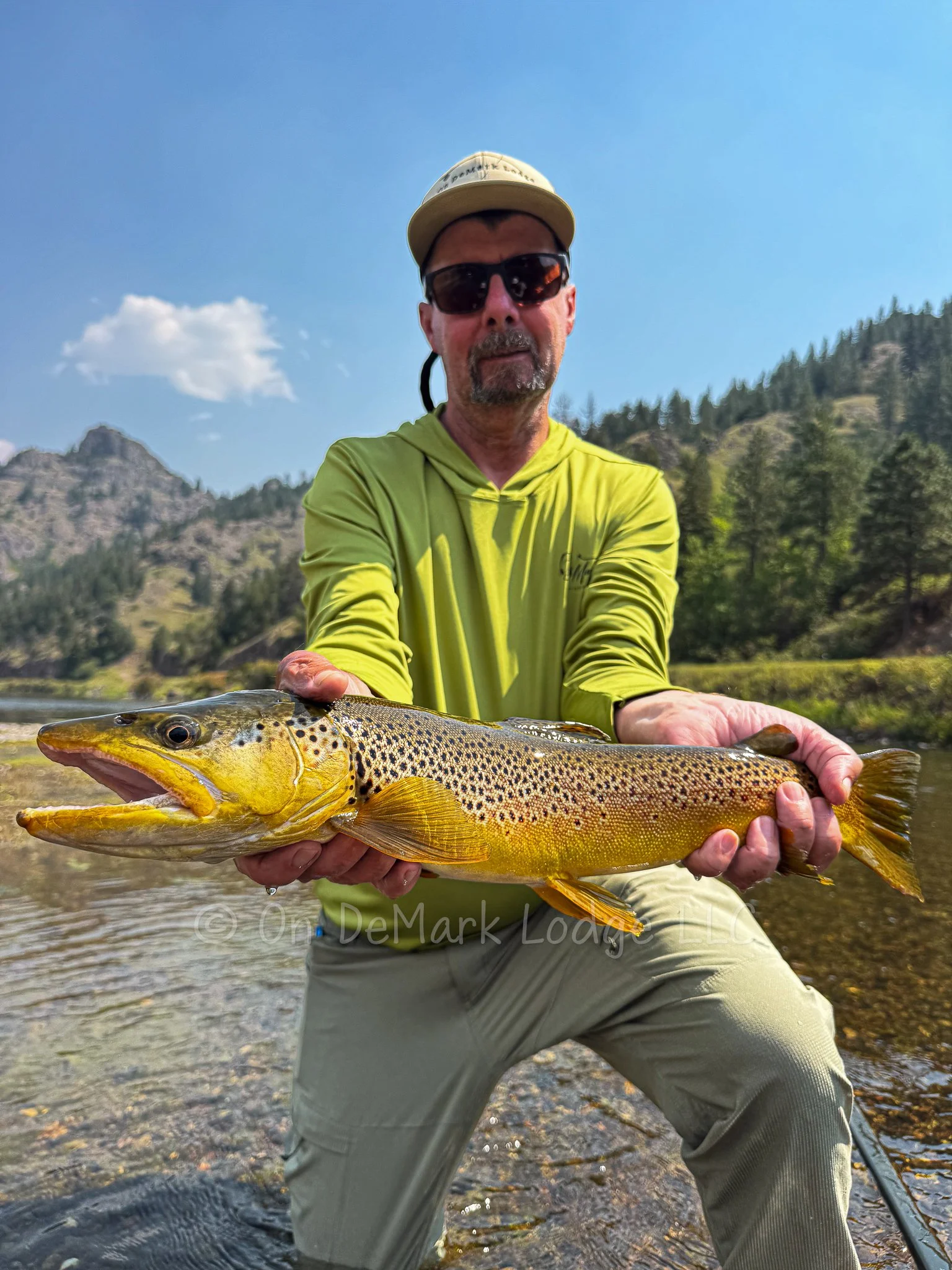
As far as fish pushing 24 inches go, this was the best stretch of the season at the lodge for that caliber of fish. The canyon was the better stretch of river for crayfish eaters, especially the lower part of this section.
Along with the big fish on crayfish, and rising fish on Tricos, Hoppers this summer provided lots of entertainment. July was the better month number wise, but some big boys were found in August as well. Two years ago, was all about the big, gaudy patterns. Last year and this year, smaller hoppers seemed to be more easily accepted. Hoppers are always weather dependent and river section dependent, but the upper river was much better for hoppers this year. Two years ago, it was all about the canyon. Every year is different. I had one day in July that I already wrote about (click here for article), but we spent an entire day throwing nothing but hoppers and we put plenty of big fish in the boat. Those are the days that stick with you for a long time.
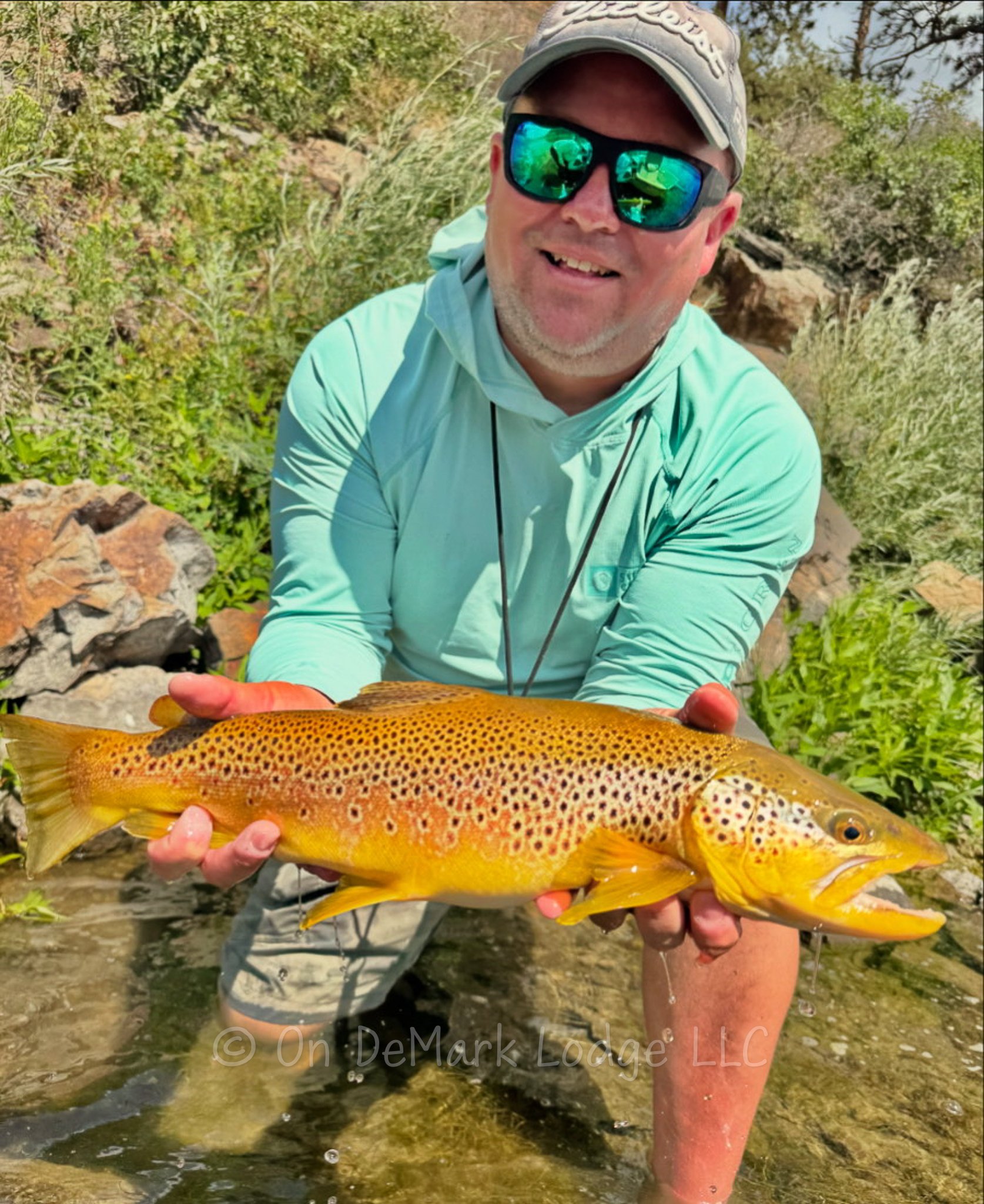
September this year was odd. Overall, the fishing was exceptional. We counted fish with a group of four guys one week in September, and the numbers we came out with were kind of outrageous. We did lots of nymphing, because the nymphing was on fire. Sore shoulders for everybody. September was one of the best months number wise. Tons of fish caught nymphing, great fish on streamers. The weird part of September this year was the hopper fishing. September is traditionally my favorite month for hoppers (big bugs, big fish) but this year was nothing to write home about. We had very consistent precipitation, which usually negatively impacts hopper fishing. Rain makes more healthy grass that hoppers can eat without moving around. When it gets dry, the healthy grass is on the riverbanks, so they concentrate closer to where they can fall in the water, making fish key in on them better. There was some dry fly fishing to be found with Pseudos in September, but it’s not a hatch that is comparable to our other mayfly hatches. Tiny bugs and picky fish, but doable for sure.
October was a blast this season. The first half of the month had interesting weather. I had a guest wearing shorts October 3rd, and on October 5th it snowed half a foot and knocked down local power lines. That’s Montana weather for you. Awesome nymphing all around, decent dry fly opportunities, streamer fishing was also solid for the first half of the month. The real fireworks started mid month, when we got a nasty cold snap. Below freezing temps, wild storms, and lots of snow by October 13th kicked the fall Blue-Wing hatch in a major way. We had amazing numbers of fall Blue-Winged Olives this season, and the dry fly fishing was unbelievable. Unlimited targets of very forgiving fish made for some unforgettable days this fall. Nymphing was stupid as usual in October, and we saw some big fish chase streamers as well. Our season ends October 31st, but most of November the fishing stayed exceptional. The river has also been very fishable this December, but that will change as we have some bitter cold days on the horizon in the canyon.
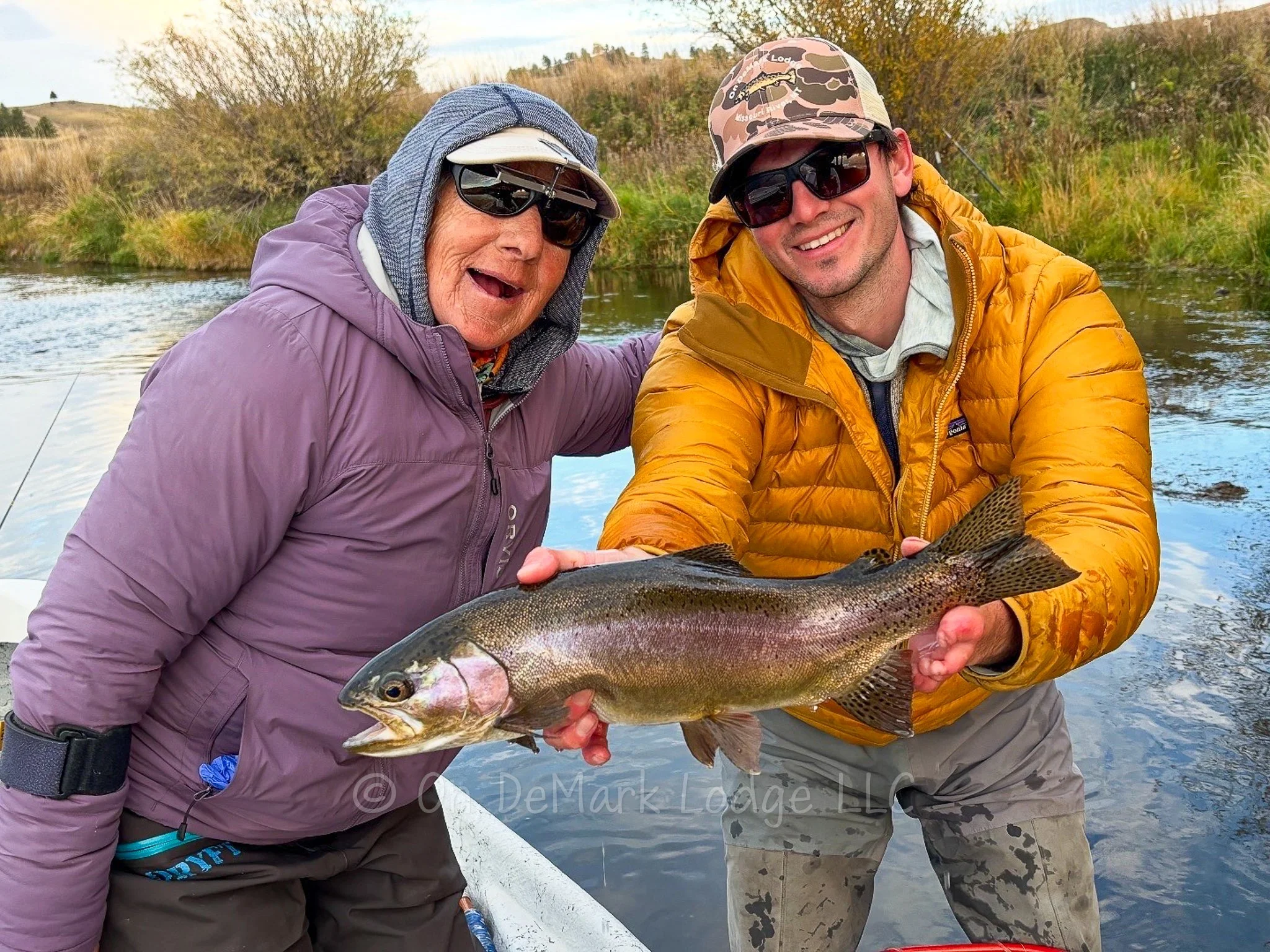
2025 was a great season for us at the lodge. It was an exceptional fishing year with some truly great mayfly hatches. But fishing is just the half of it. We made some major improvements on the lodge itself. We added a new bathroom, updated all our rooms, and changed our dining in the lodge. We added a new firepit, planted new trees and greenery on the property, and built the new fly shop from scratch. The new fly shop saw a lot of love this season and has been a great place to hang out before hitting the river or relax and tie some flies in the evening. We have also begun huge renovations inside the lodge this winter. A brand-new kitchen is in the works and will give Becky an upgraded space to deliver you all the unbelievable meals she is known for. The dining area is also getting an overhaul, and some new additions on the property are in the works. What a year of growth it has been.
The best part of this job is the people. I love spending time on the water and learning about these fish every day, but this whole operation is centered on our guests. I get to spend 7 months of my year meeting and spending quality time with some of the most interesting, funny, and kind people on the planet. This sport really draws a very specific type of person. There’s something about the patience, attention to detail, and admiration of our natural world that is required to really enjoy fly fishing that makes most of our guests just good people. We saw more new faces this year than ever before and saw more returning guests as well. And I really have nothing but good things to say about all of them. Besides maybe some of their hooksets, nobody’s perfect.
As we get into the 2026 season, we look forward to a new year full of adventures in our favorite place on the planet. We’re excited to reconnect with our returners and meet some new faces here at the lodge. Cheers to a great 2025 season, and cheers to an even better 2026 season. Here’s to a couple more months of tying flies, getting travel plans lined up for the new year, and working on our reach casts till you make it to the lodge. We’ll be here when you get here! And so will the fish.